
Subsistence farmers tend to be risk averse, tradition bound, and blindly follow what their elders did. In today’s market driven world, it pays to be creative, use new and effective strategies for increased production, and focus attention on what sells and is most likely to bring the best results. Our Community Health Evangelism (CHE) teams do this well by introducing new ways of growing crops and teaching farmers to understand “market demand.”
This story is about an innovative farmer and his wife, who learned, implemented and reaped the benefits of using new strategies. Today, they are an example to others in their village!
“Go to Market” is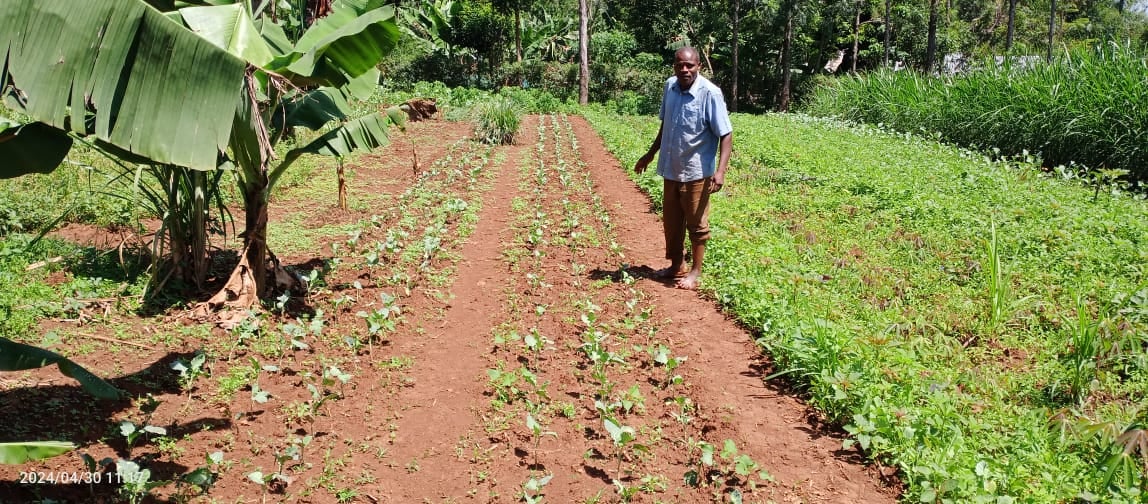 one of the latest strategies in the corporate world, but we are seeing it play out as powerfully in some of our communities.
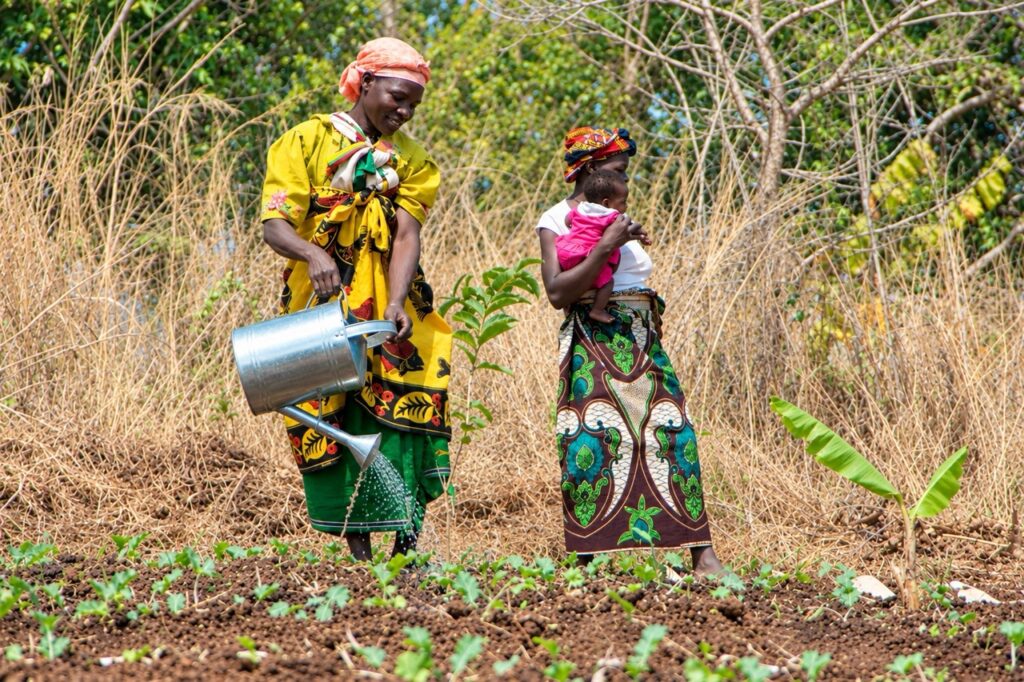
In the heart of Ebwiranyi community, a remarkable physical transformation is taking place, driven by the dedication and hard work of Daudi Ochami. Daudi, a participant in our CHE training program, learned the double-digging method, a technique designed to establish highly productive kitchen gardens. Embracing this method, he meticulously created double-dig beds in his garden, determined to improve his family’s food security.
As Daudi planted a variety of vegetables in these beds, his garden flourished. The produce exceeded his famil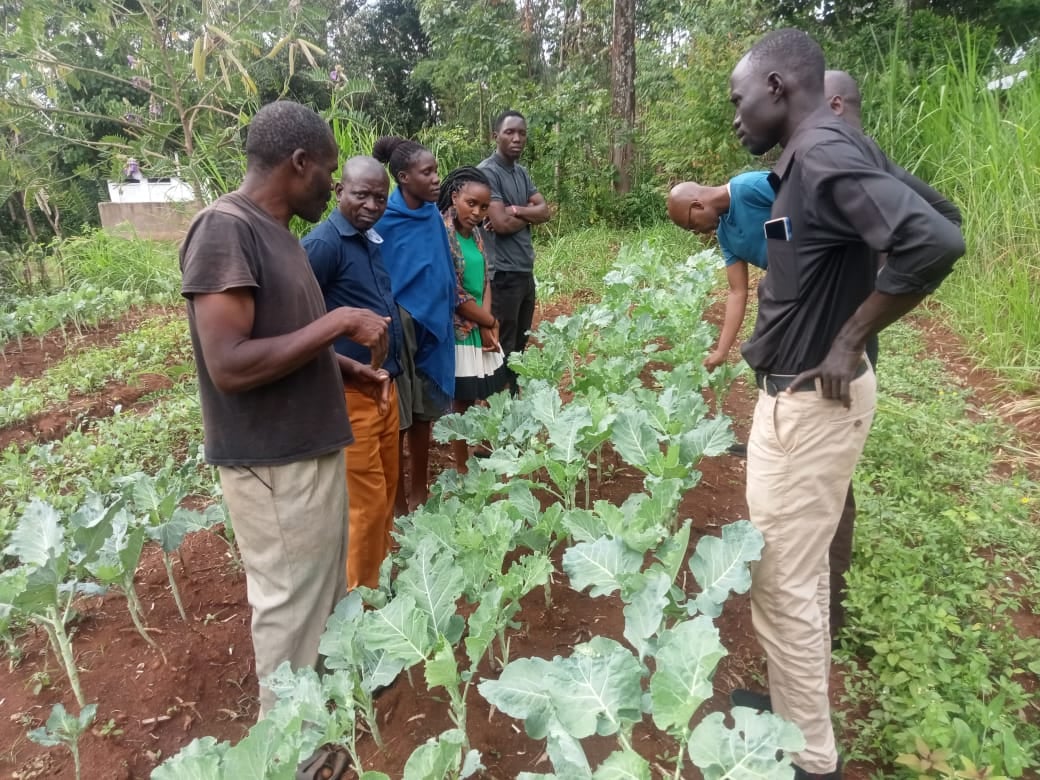 y’s needs, and the surplus vegetables opened new opportunities. Seeing the potential, Daudi’s wife seized the chance to turn their excess produce into a business. She set up a grocery stall at a nearby market, selling the vegetables harvested from their garden. They have now become “production focused and market oriented.”
This entrepreneurial venture transformed their lives, providing a steady and reliable source of income. The economic stability it brought significantly improved their quality of life. Daudi’s success story is a testament to the practical benefits of the double-digging method and the profound impact of our Community Health Evangelism (CHE) training programs. It underscores the importance of community education and empowerment, turning knowledge into tangible, life-changing results.