For years, we counted communities. Big numbers. And honestly, they weren’t wrong. They told a real story about how far a movement had spread.
For over four decades, MAI has helped seed community transformation across thousands of villages in some of the world’s most overlooked places. We trained local leaders, equipped churches, and spread a methodology that communities could own for themselves.
But somewhere in there, we started pulling on a thread.
What did we actually mean by “community served”? Were we counting communities where transformation was taking root, or communities where someone had attended a training? Were we counting communities we’d touched a decade ago, or communities we were actively walking with today?
The honest answer was both, and we hadn’t always been clear about which was which.
That’s when I started asking: what’s actually changing?
- We trained 200 community leaders. So what?
- They applied new skills. So what?
- Families started changing. So what?
- Local ownership grew. So what?
A community once stuck in cycles of poverty is now leading its own transformation.
👆 That’s a rooted community. That’s what we’re measuring now. Because activity is not the same as impact.
When John’s disciples asked Jesus if he was truly the Messiah, he didn’t hand them a list of things he’d done. He said: “Go and tell John what you hear and see. The blind receive sight, the lame walk, the lepers are cleansed.” The evidence wasn’t the work itself. It was what had changed in people’s lives.
We knew the evidence piece was key here. Because if what we’re doing isn’t working, I really want to know. That’s why we partnered with The Meros Center to help us figure out how to measure our impact.
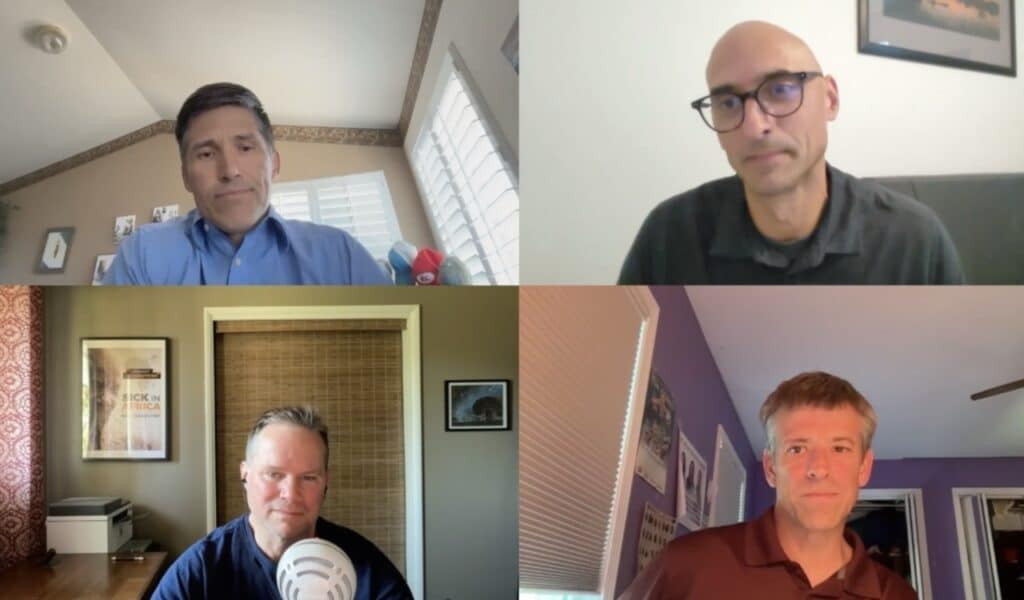
Recently, Tim and I sat down with our research partners at Meros to talk through exactly what we’re measuring and why. It’s a longer conversation, but an honest one — including the parts where we don’t have it all figured out yet.
I’d love for you to watch it: