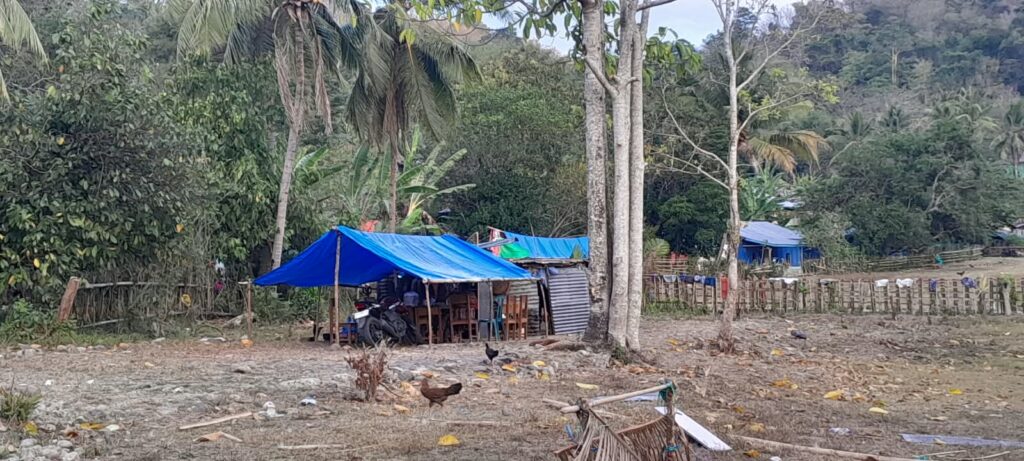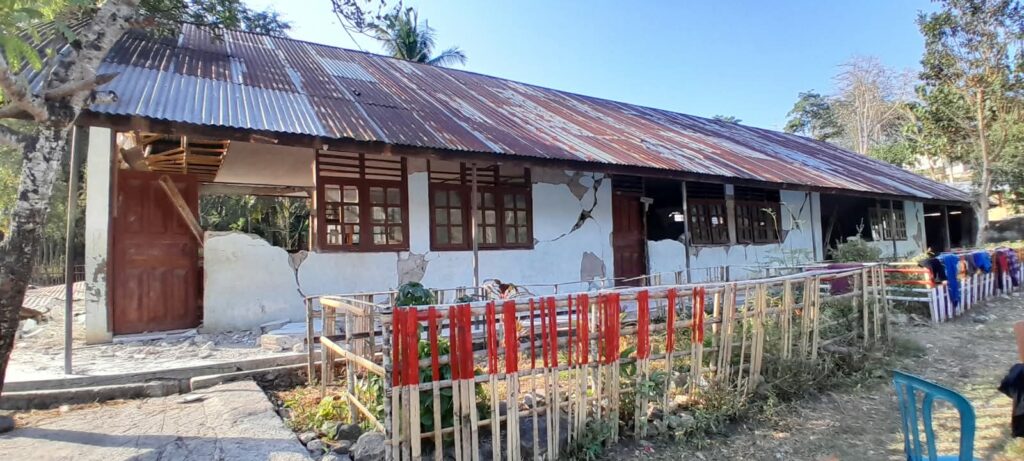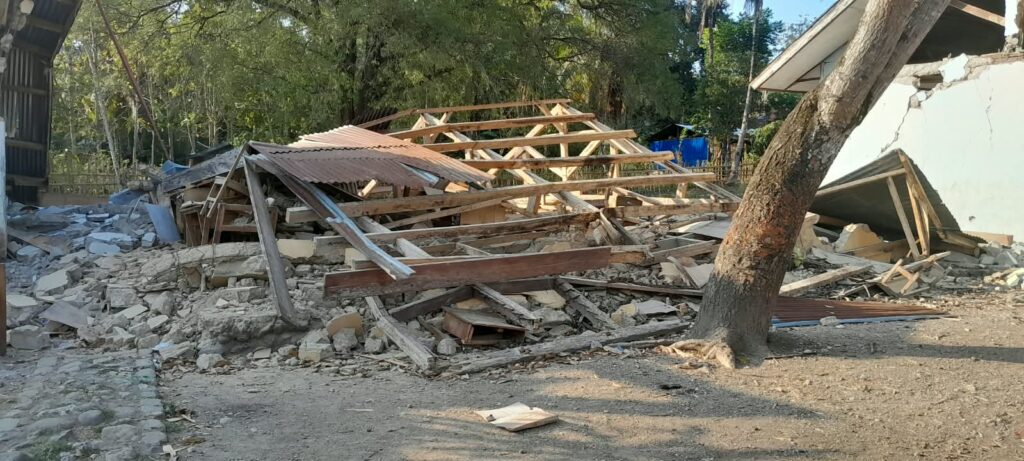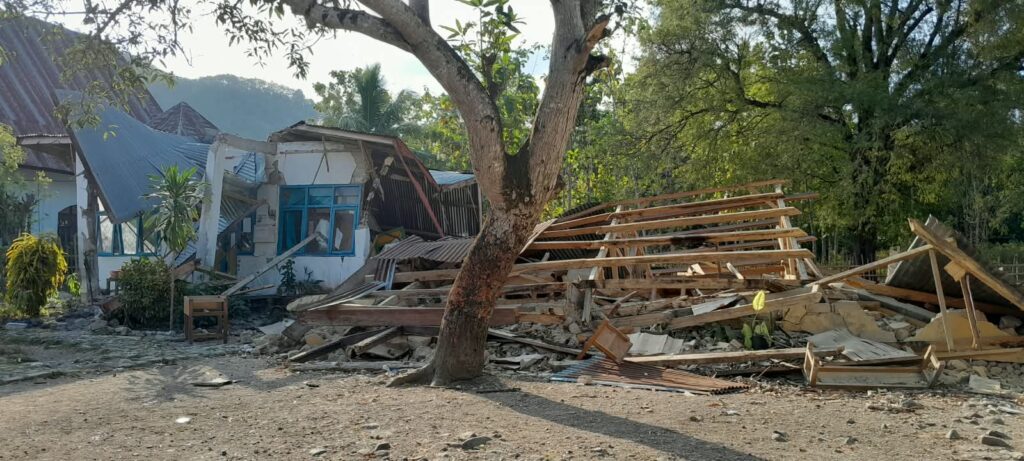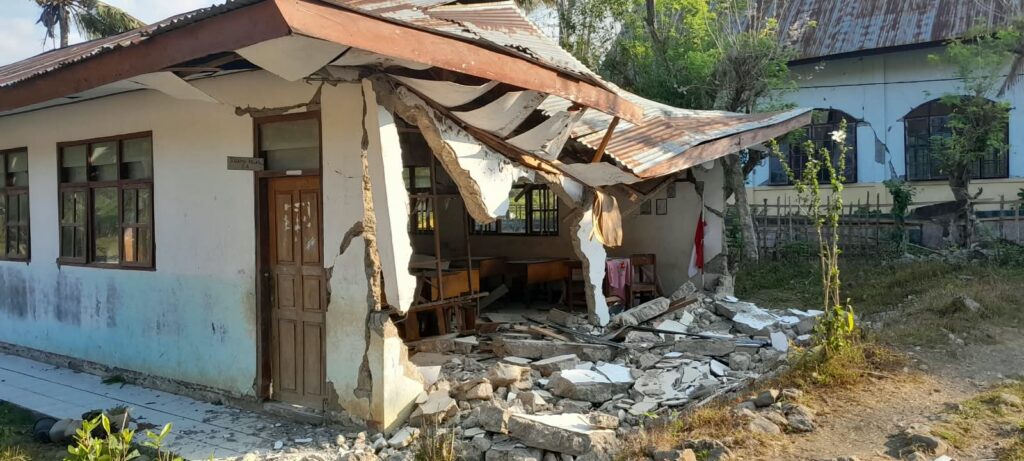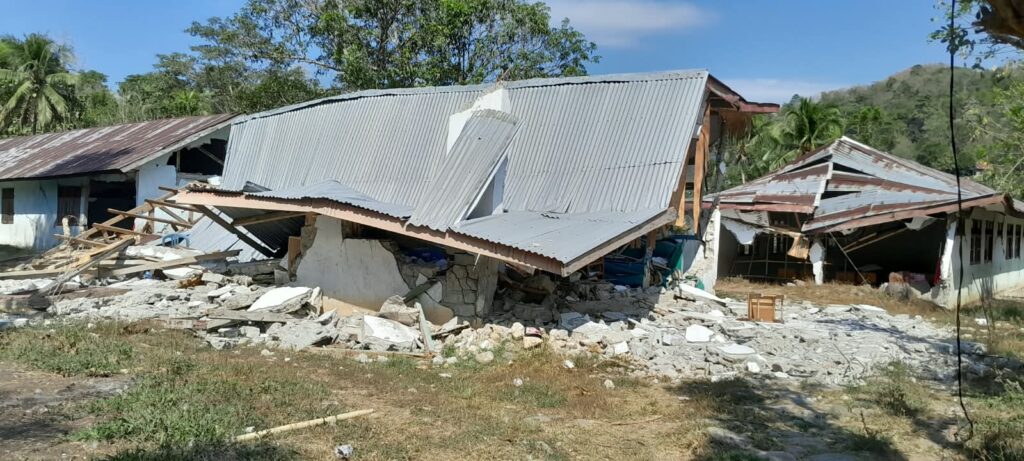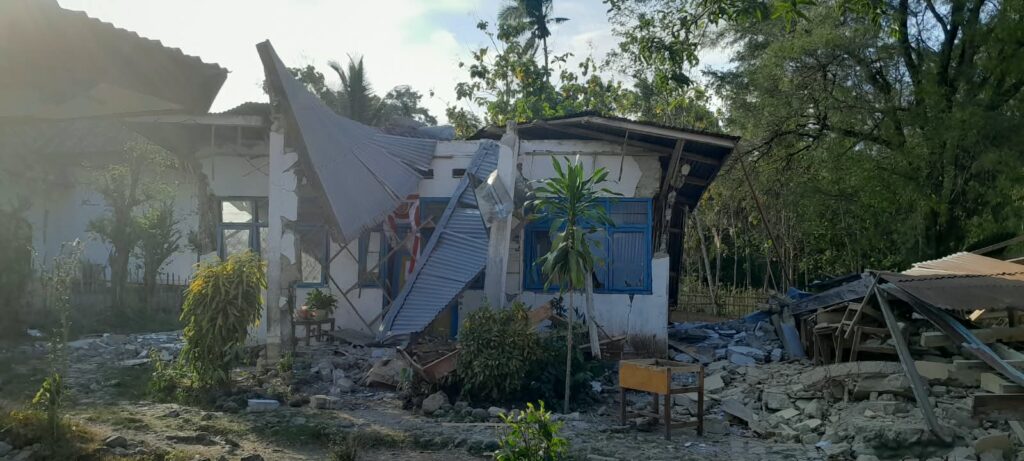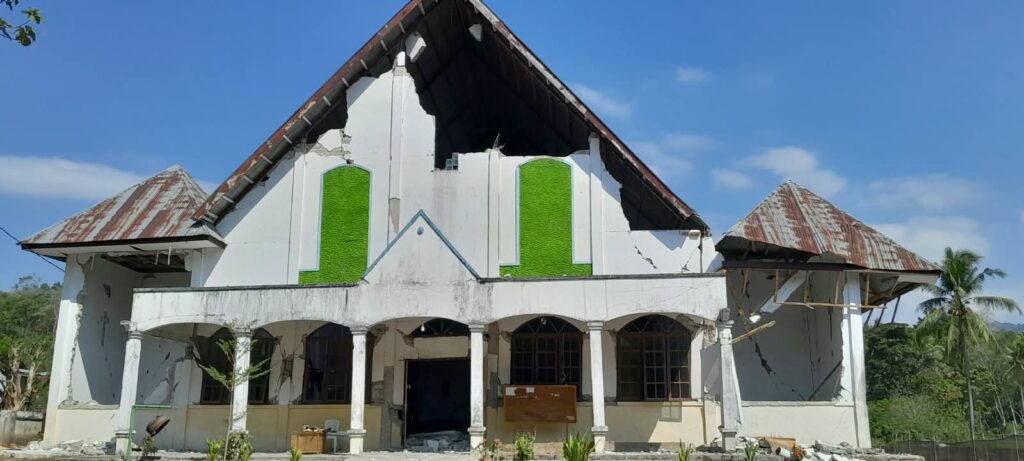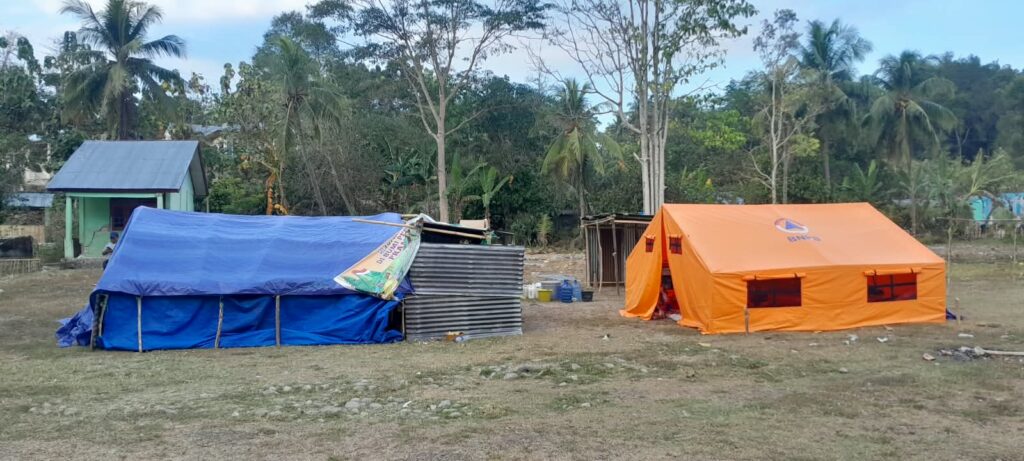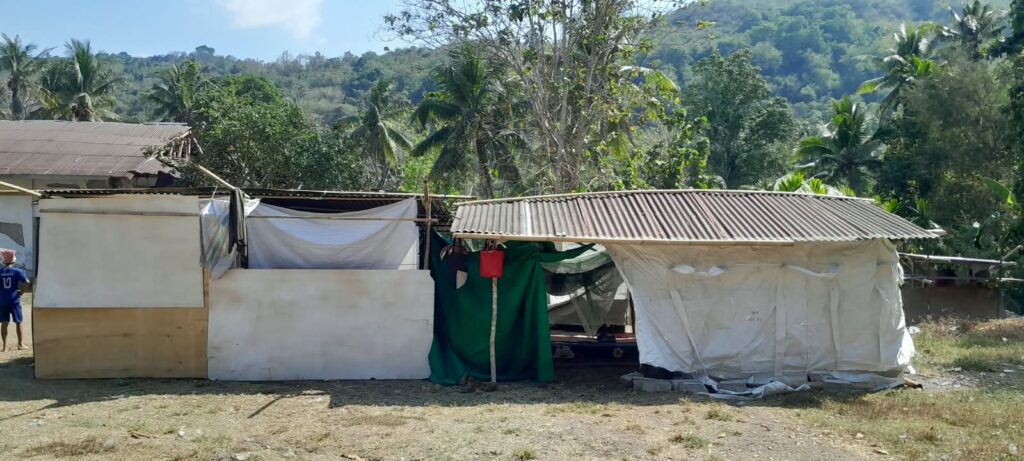
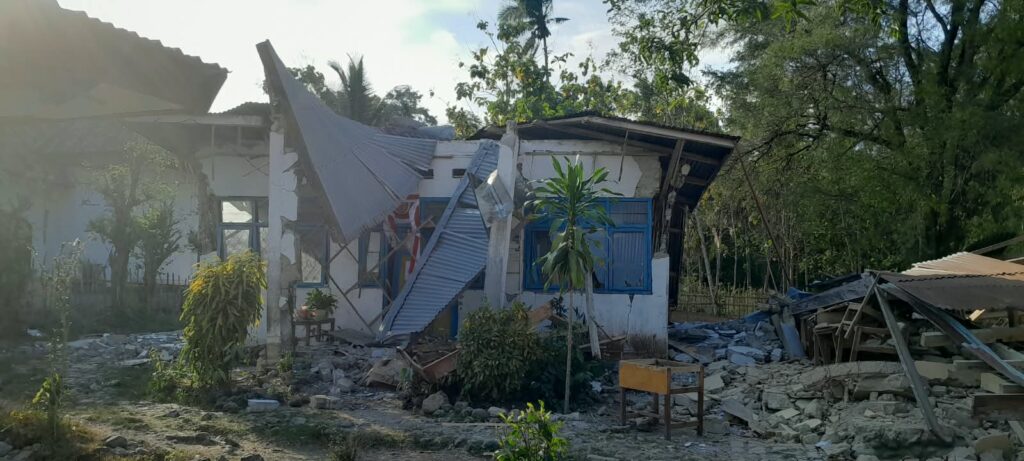
On August 15, a magnitude 7.7 earthquake struck off the coast of Flores Island in East Nusa Tenggara, Indonesia — the strongest to hit the region since 1992. Dozens of people have died, more than a thousand have been injured, and thousands of families are sleeping in open fields and makeshift tents tonight because their homes are gone.
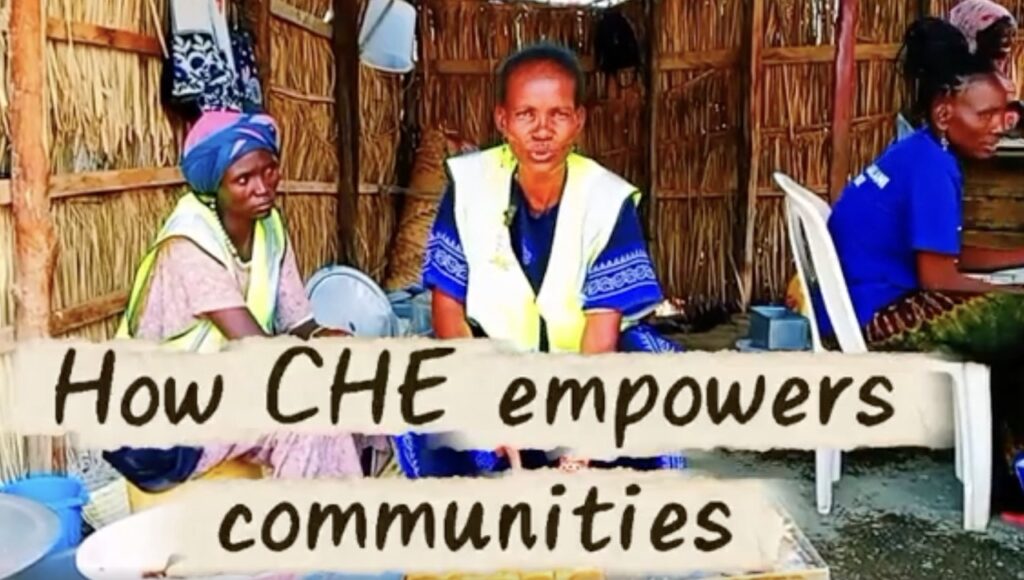
MAI is partnering with some of our trusted local partners to respond. H, a PKN volunteer and independent CHE trainer, has traveled to Java with another trusted disaster response team. They’ll arrive in L.B., then continue by road to R District, which will serve as their temporary base as they push on to a coastal community that has been difficult to reach and has received limited assistance so far.
We know the first month of response will center on four areas: non-food items, clean water, a community kitchen, and Psychological First Aid (PFA) for mothers and children. H is carrying water filters for the response. More team members will deploy in stages after that. They are planning a one-month emergency response, with a three-month accompaniment plan for this first phase — and our local partners are already thinking ahead to how they can help these communities transition into rehabilitation once emergency relief begins to wind down.
Will you help us respond?
Your gift today does two things:
- It funds the response on the ground — supplies, clean water, and support for H and the team, including covering her return flight, which is not yet secured.
- It sustains MAI’s Disaster Response Fund, which allows us to respond quickly the next time disaster strikes anywhere in our network of 70+ countries — often faster than funds raised after the fact ever could.
We’ll keep gathering information from H and the team, and will share further needs as they become clear. Thank you for standing with us — we’re grateful for the opportunity to serve these communities together.
UPDATE FROM August 27
Several organizations have now entered the R area. The organization we are working under has decided to move its focus to **locations redacted**, which is part of the R area.
The organization we are working under is planning to establish a response post in **location removed** and serve the wider S Village. They are working together with the local church and community.
Many families are staying in self-established tents, with around 5–8 households sharing one tent, and families are preparing their own meals.
The team is currently based in **location removed** and is planning to move the response post closer to the affected area in **location removed**, once the volunteer post is ready or suitable accommodation in **location removed** can be arranged. The move may take place next week, depending on the situation. The team plans to stay closer to the affected community.
For the first 1.5 months, the organization we are working under has the following current targets:
• Basic tents and supplies, with a goal of one tent per household for around 400 households
• Restoring the clean water supply by repairing earthquake-damaged pipes together with the community
• Four emergency toilet units
• Psychosocial support for children and women
• A temporary church using tarpaulins, which can also be used for psychosocial activities on other days
• Food support for the household kitchens in the evacuation tents
The organization we are working under is also exploring the possibility of safe temporary housing for families after evaluating the initial 1.5-month response.
Aftershocks are still being felt in the area…
Families are staying in self-established tents, with 5–8 households sharing one tent. Each tent has its own small cooking area. The organization we are working under is planning to support these household kitchens rather than establishing a central community kitchen.
Today, two psychosocial support team members, including a psychologist, and one team member responsible for supporting the household kitchens are expected to join the response.
The school building was damaged by the earthquake. Fortunately, the children were not at school when the earthquake struck, which likely prevented further casualties. The school is currently closed with no confirmed date for reopening. Because many children live in scattered areas, including on and behind the hills, parents are also hesitant to allow their children to travel far from home.