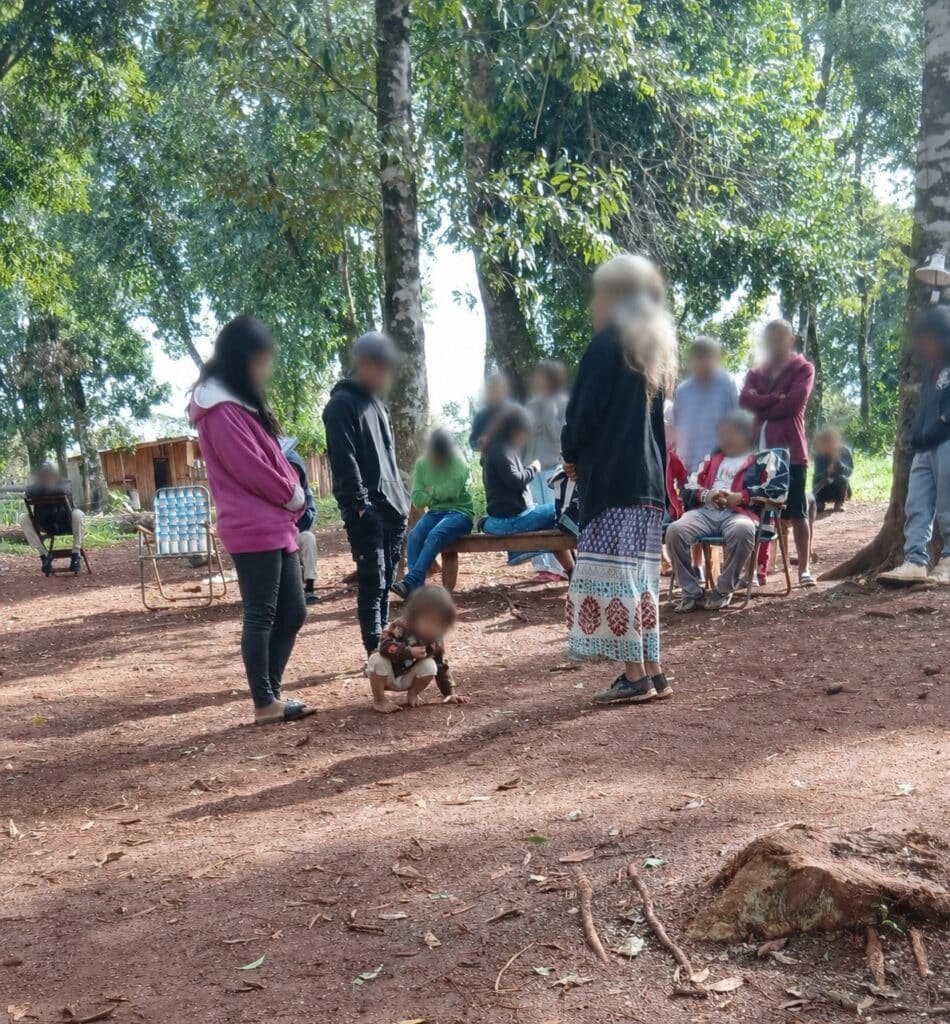
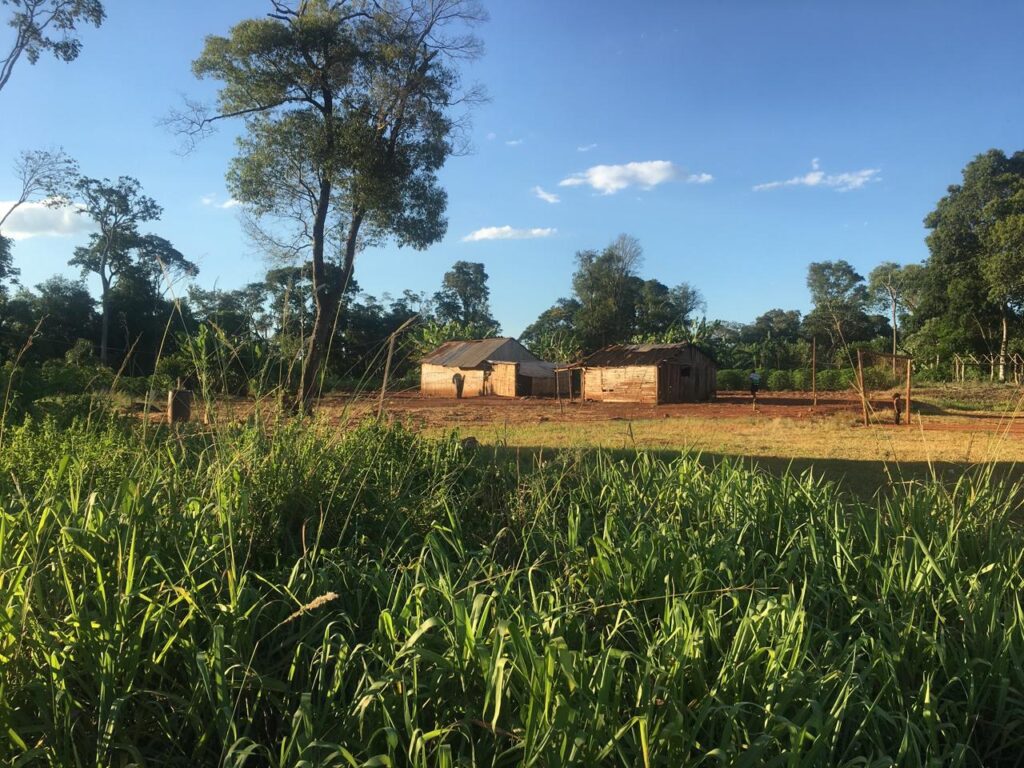
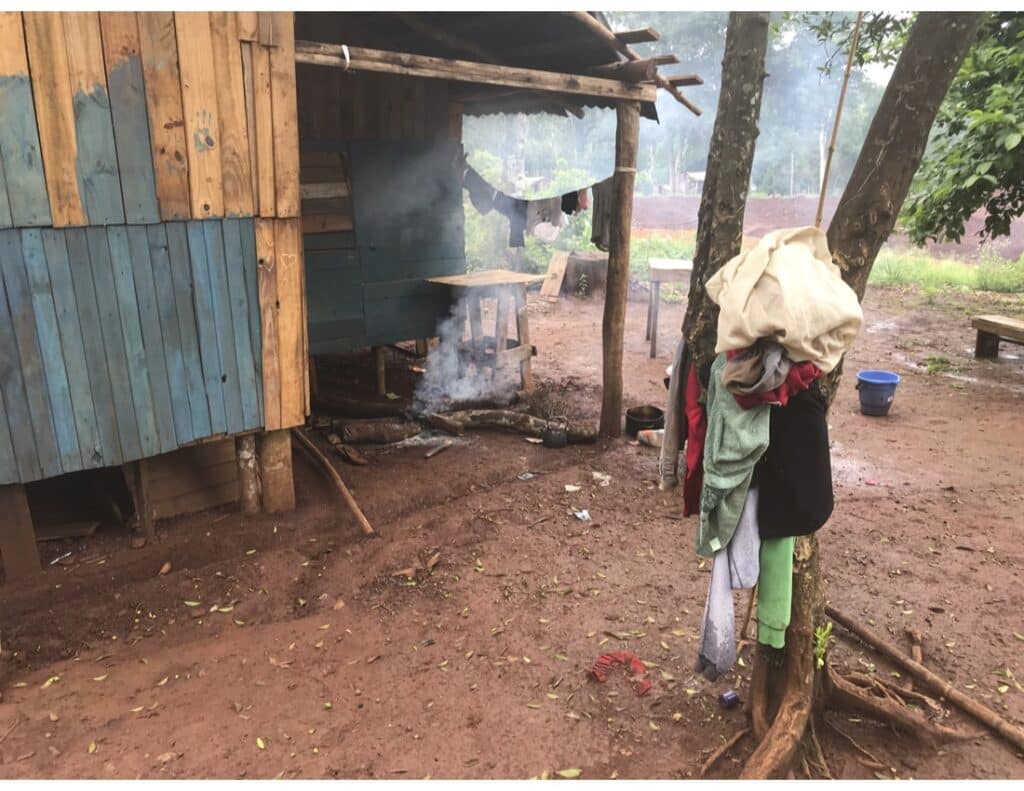
Carmencita* (name changed to protect privacy) dreamed of something simple: a home she could call her own, where she, her husband, and their three-year-old son could build a life together.
In her Mbya Guarani community, however, tradition dictated otherwise. Young couples were expected to live with one set of their parents, and for Carmencita, that meant remaining in her parents’ home. But change had quietly begun to take root.
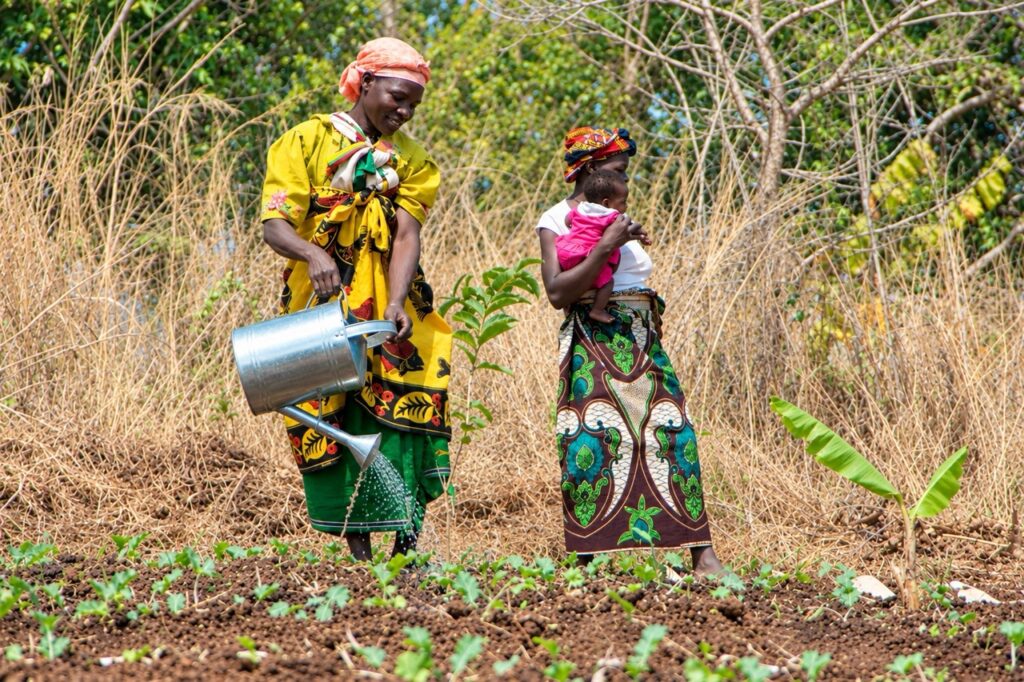
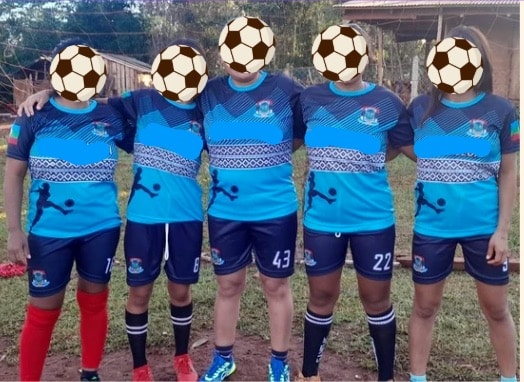
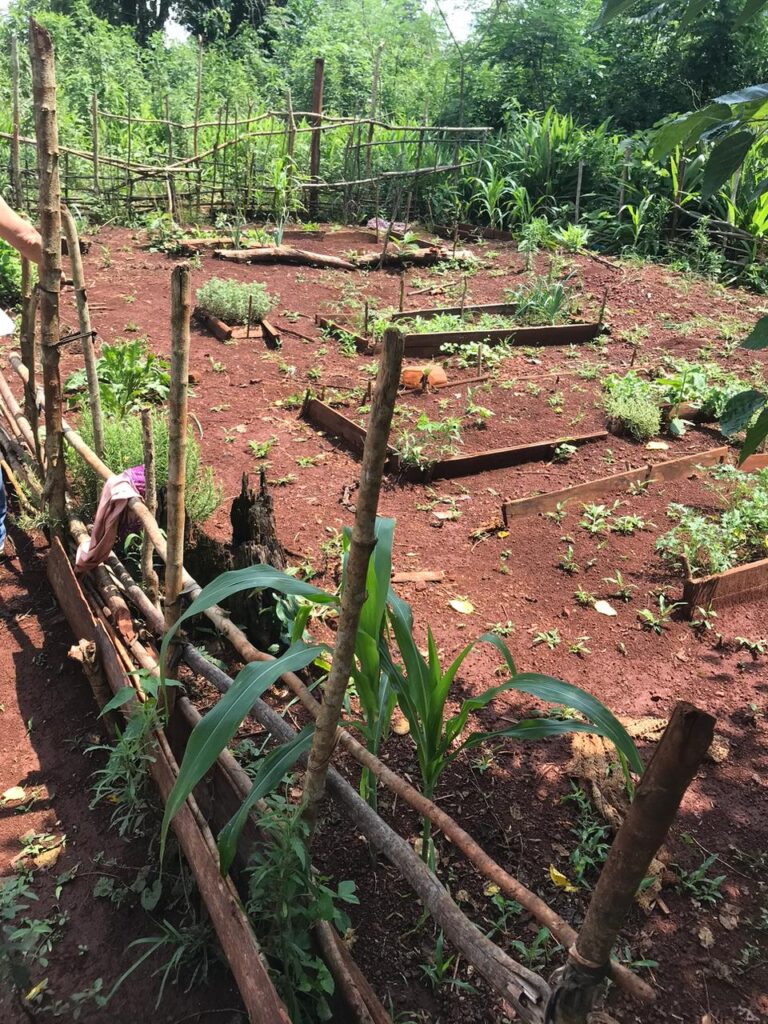
Through the 1,000 Days Moms’ Club, women gathered regularly to learn about nutrition, cultivate small home gardens with vegetables and yerba mate, and play soccer together. As they encouraged one another, several families had taken the courageous step of building modest homes of their own. These were not acts of rebellion but signs of growing confidence. Little by little, women were discovering that their voices mattered.
Carmencita longed for the same opportunity. She repeatedly asked her husband if they could establish a home of their own and plant a garden like the other mothers. Instead of hearing her heart, he became angry. Then he left.
The situation only worsened. Carmencita’s parents blamed her for driving her husband away. They forbade her from attending the Moms’ Club and playing soccer with her friends—the very community that had become her greatest source of encouragement.
Everything she depended on for support seemed to disappear overnight. Convinced someone else was responsible, her parents took their complaint to the village chief. “Orfa, the missionary who is teaching our women these new ideas, is the reason Carmencita’s husband left her,” they insisted.
Was she?
Despair settled over Carmencita. Like many Indigenous women in her community who faced overwhelming hopelessness, she began to consider suicide. Yet every time those thoughts surfaced, the image of her little boy interrupted them.
One evening, she gathered the courage to visit Orfa and tell her everything. The following day, several women from the soccer team came to see her. As Carmencita poured out her heart, Orfa became aware of the deep tension between the young woman and her parents.
To someone unfamiliar with Mbya Guarani culture, much of this story might seem ordinary. It was anything but. Traditionally, a young couple lives with one set of parents. Women have little voice in family decisions and do not participate in community assemblies. Tragically, suicide among Mbya women is far too common.
Orfa understands this culture well. Although she is Guarani herself, she comes from a different country and is a third-generation follower of Jesus Christ. She deeply respects the culture of the people she serves and understands the delicate fabric of community life. Yet she also believes that God’s truth speaks to every culture. With humility and gentleness, she seeks neither to dismantle traditions nor to impose foreign customs, but to point people to Christ and allow His truth to transform hearts from within.
Carmencita was one of those beginning that journey.
When the community assembly met, everyone gathered as was customary. Those involved in the dispute stood in the center. Carmencita’s parents expected Orfa to stand beside the young couple as the accused. The chief refused. “This is a family matter,” he said firmly. “The husband made his own decision. Orfa is not responsible.”
Then something remarkable happened. The assistant chief invited Carmencita to speak. At first, her voice trembled. But as she continued, courage replaced fear. She spoke honestly about the pain of being blamed, ignored, and unheard.
The village listened.
When she finished, James, the chief’s son, stood up and said, “This is happening because we silence our women. They have the right to think and to express their opinions. If we learn to listen to them and work together, perhaps we will see fewer suicides and happier families.” The assistant chief agreed. The meeting ended peacefully.
Soon afterward, Carmencita’s husband returned home to his wife and son.
Transformation among oral cultures rarely happens overnight. It grows quietly, conversation by conversation, relationship by relationship, heart by heart.
That is what we are witnessing—not merely the success of a program, but the fruit of lives being changed as people encounter the truth of Christ. Communities begin to flourish when people discover their God-given dignity and when culture itself is gently reshaped by biblical truth.
Jesus said, “I am the way, and the truth, and the life.” (John 14:6) He also said, “Wisdom is justified by all her children.” (Luke 7:35)
Today, we are privileged to witness the children of wisdom—lives that quietly bear witness to the transforming power of God’s truth.
Zooming Out
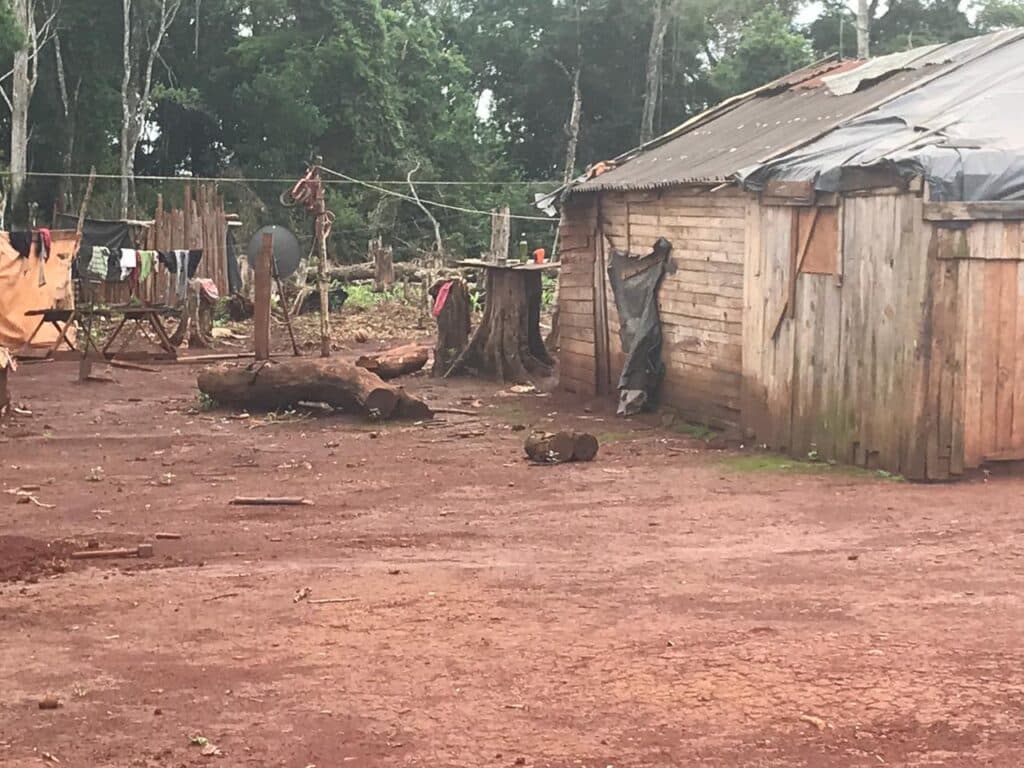
Medical Ambassadors International partners with trusted local leadership representing countries and regions. Argentina, where this story takes place, falls under our South American region and trainings are shared in local contexts by passionate, trained, national Christians (like Orfa). First Thousand Days training is a specialized maternal and child health training initiative focused on a child’s life from conception until their second birthday and is part of our Community Health Evangelism (CHE) training library.