
I saw this diagram today and it got me thinking. I’ll share it here. Those of us drawn to mission work tend to be drawn to the front-line programs, the hands and feet of the work. The community transformed. The mother who now knows how to keep her children healthy. The church that becomes the heartbeat…

I am excited to share some news that I believe will strengthen our work and our sense of connection as an organization. Today, Tim Cowley is joining MAI as our Director of Global Engagement and Communications. This is a new role, and I want to take a moment to introduce Tim and explain what this…
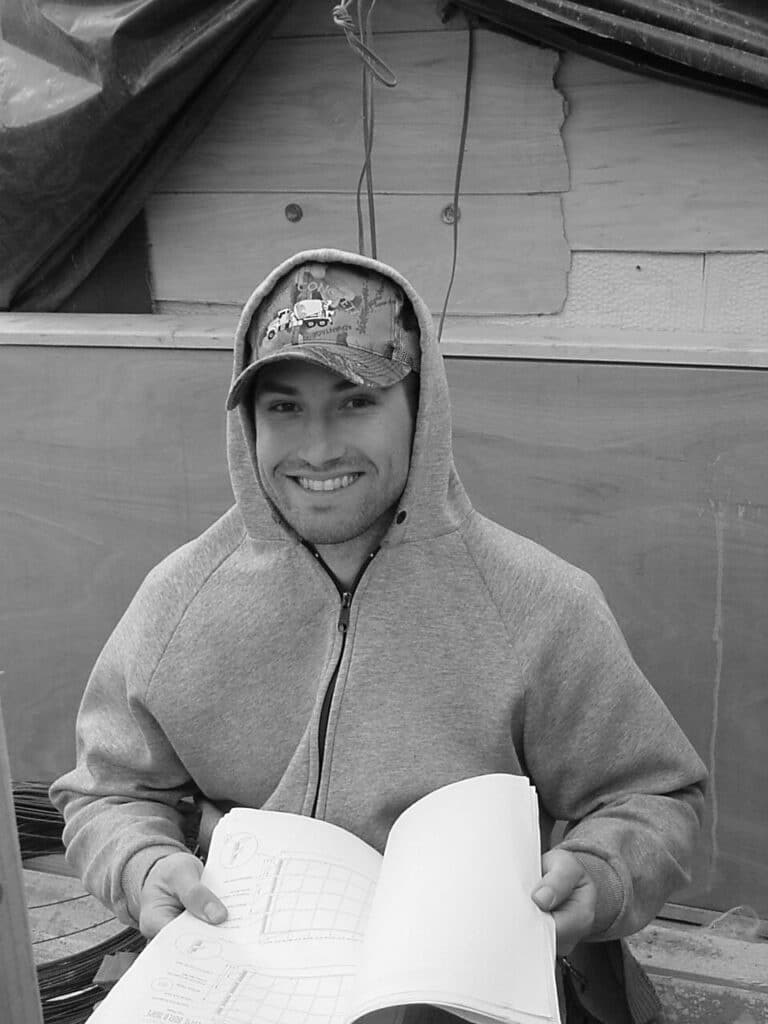
A 2004 photo of Steve holding house plans brings back two hard lessons: a family standing aside while his team built their home, and a kind gesture in Honduras that sparked a scramble among two dozen kids. He reflects on how good intentions can miss the mark, and why the most transformational work he’s seen comes from communities acting on their own ideas and potential.

The future is less like a clear window and more like water: we lean in and see reflections, but never quite what’s beneath. As MAI steps into 2026, Steve shares why the ministry is choosing to go deeper rather than wider, holding its vision with clear direction and open hands.
Friends and partners around the world share a simple “Merry Christmas” in many languages in this short video. In his note, Steve reflects on a personal year (stepping into the CEO role and becoming a grandpa for the first time) and on what encouraged him most: ordinary believers serving their neighbors, and communities taking ownership of their own change.
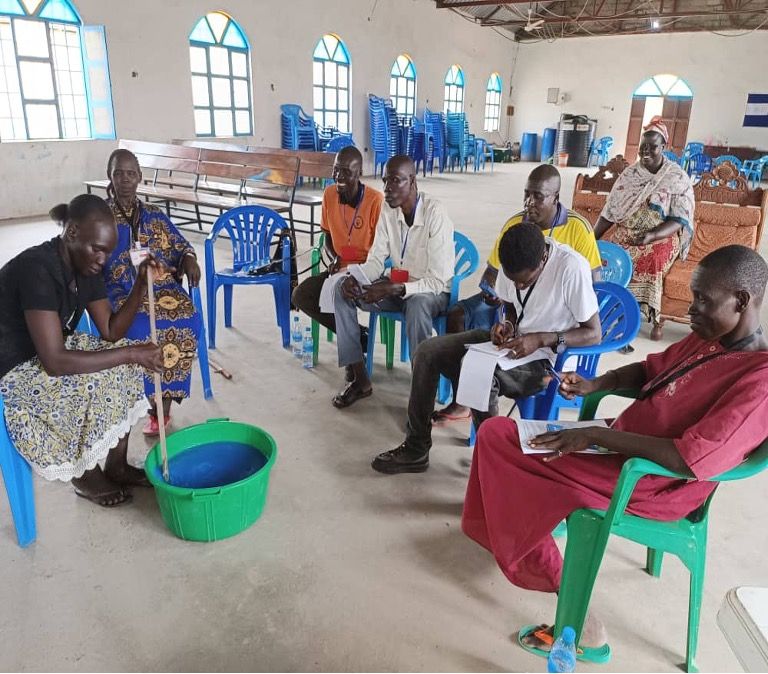
Why should poverty on the other side of the world matter to us? Steve makes the case that in an interconnected world it affects everyone, through conflict, instability, and health risks, and that the hopeful side is a ripple effect too. When local people are equipped to build their own solutions, transformation spreads from one village to the next.
Organizations rarely drift off-mission through big decisions. It happens through small “yeses”: well-meaning partnerships, slightly off-mission projects, good ideas that pull focus. Steve explains why mission creep is a leadership problem, how a clear vision focuses innovation rather than limiting it, and why MAI is getting back to the basics of why it exists.

A ruined castle on a bluff in the Ozarks and a little-known judge named Jair share the same lesson: what looks successful in the moment can crumble the moment its builder is gone. Steve reflects on the difference between building infrastructure and building legacy, and why lasting change takes spiritual depth, ownership, and discipleship.
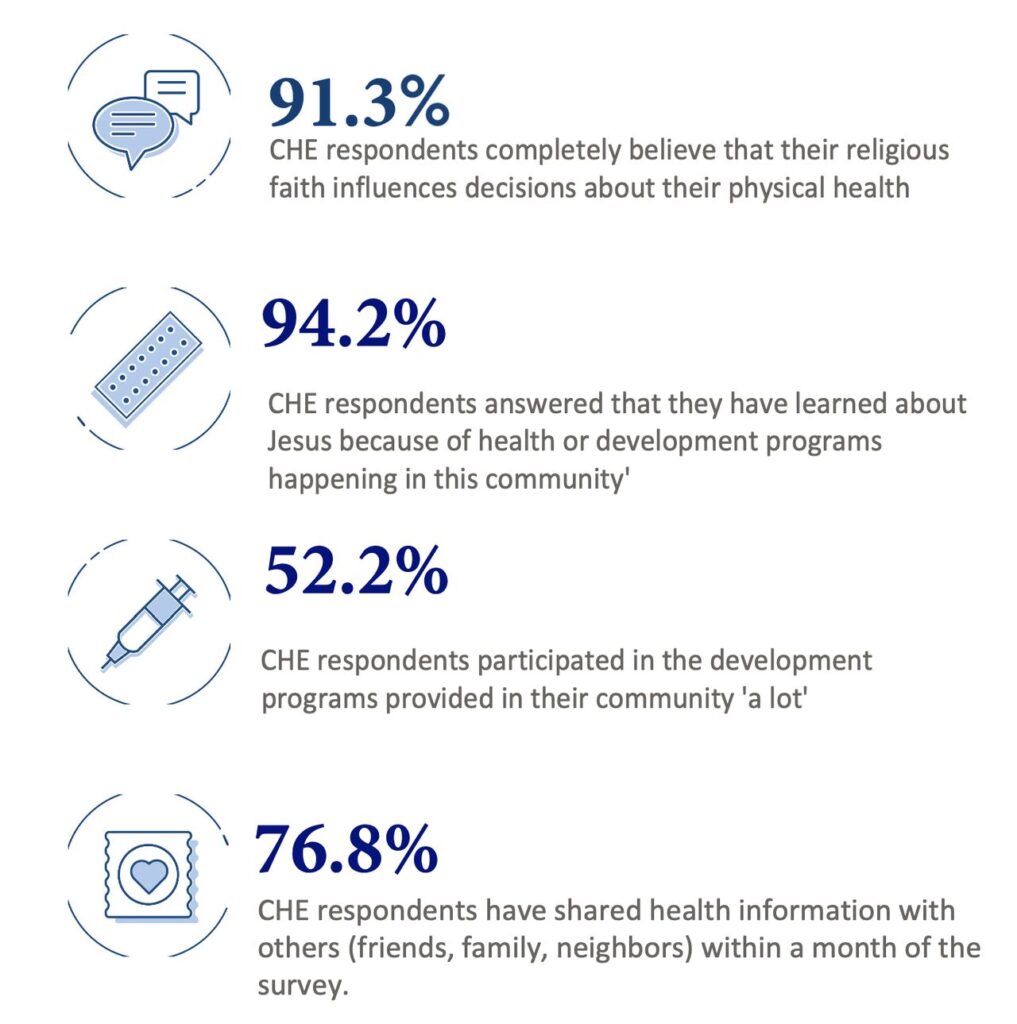
In Ghana, MAI partnered with The Meros Center to evaluate wholistic community development across six villages, with local trainers helping design the survey and interpret the results. The findings show how deeply faith, health, and community action are connected...
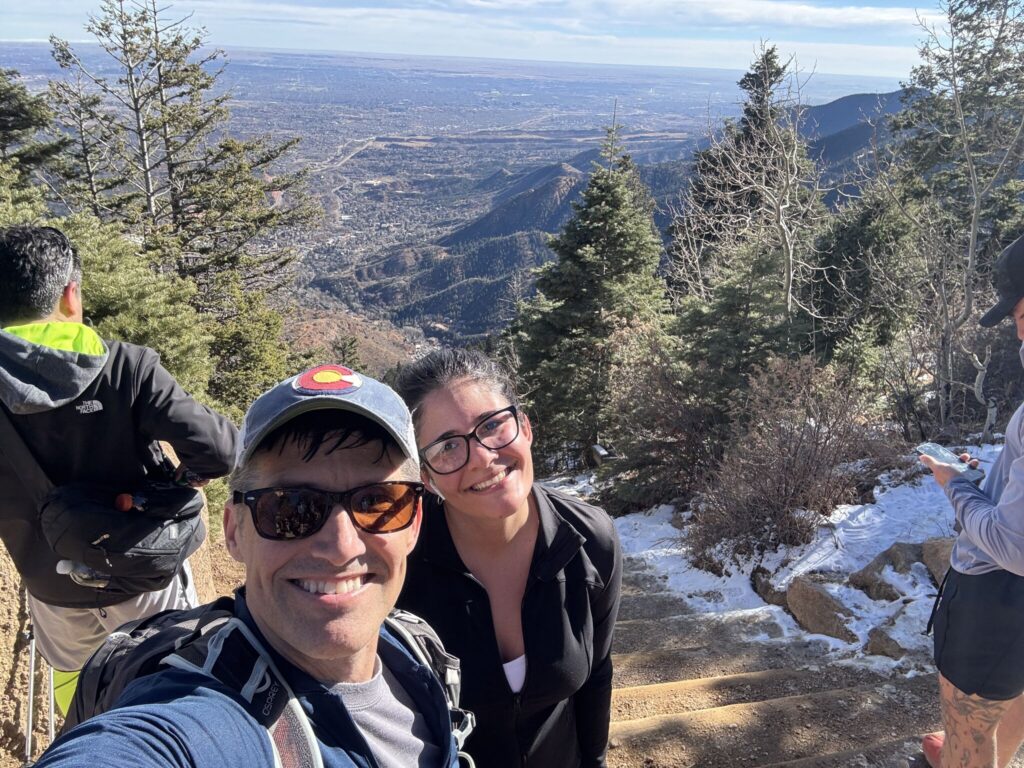
Over dumplings in Mongolia, a man named Meega told Steve how he’d rallied his neighbors to restore their crumbling apartment block, inspired by just a few small ideas from MAI’s visits. In his first post as CEO, Steve shares why that moment shaped his view of leadership, a bit of his own story from biotech to Cambodia to MAI, and why he believes the ministry’s best days are ahead.
I saw this diagram today and it got me thinking. I’ll share it here. Those of us drawn to mission work tend to be drawn to the front-line programs, the hands and feet of the work. The community transformed. The mother who now knows how to keep her children healthy. The church that becomes the heartbeat…
I am excited to share some news that I believe will strengthen our work and our sense of connection as an organization. Today, Tim Cowley is joining MAI as our Director of Global Engagement and Communications. This is a new role, and I want to take a moment to introduce Tim and explain what this…
A 2004 photo of Steve holding house plans brings back two hard lessons: a family standing aside while his team built their home, and a kind gesture in Honduras that sparked a scramble among two dozen kids. He reflects on how good intentions can miss the mark, and why the most transformational work he’s seen comes from communities acting on their own ideas and potential.
The future is less like a clear window and more like water: we lean in and see reflections, but never quite what’s beneath. As MAI steps into 2026, Steve shares why the ministry is choosing to go deeper rather than wider, holding its vision with clear direction and open hands.
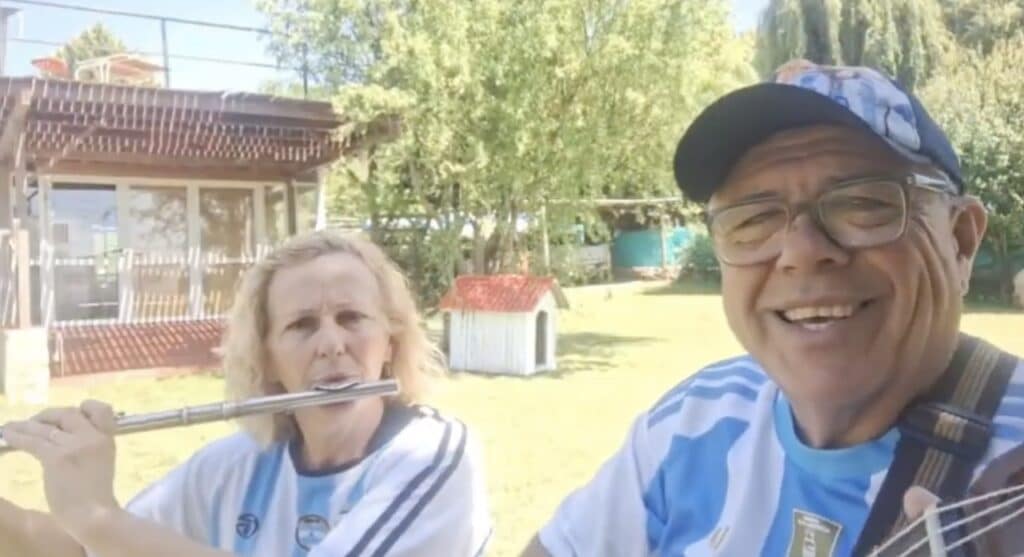
Friends and partners around the world share a simple “Merry Christmas” in many languages in this short video. In his note, Steve reflects on a personal year (stepping into the CEO role and becoming a grandpa for the first time) and on what encouraged him most: ordinary believers serving their neighbors, and communities taking ownership of their own change.
Why should poverty on the other side of the world matter to us? Steve makes the case that in an interconnected world it affects everyone, through conflict, instability, and health risks, and that the hopeful side is a ripple effect too. When local people are equipped to build their own solutions, transformation spreads from one village to the next.
Organizations rarely drift off-mission through big decisions. It happens through small “yeses”: well-meaning partnerships, slightly off-mission projects, good ideas that pull focus. Steve explains why mission creep is a leadership problem, how a clear vision focuses innovation rather than limiting it, and why MAI is getting back to the basics of why it exists.
A ruined castle on a bluff in the Ozarks and a little-known judge named Jair share the same lesson: what looks successful in the moment can crumble the moment its builder is gone. Steve reflects on the difference between building infrastructure and building legacy, and why lasting change takes spiritual depth, ownership, and discipleship.
In Ghana, MAI partnered with The Meros Center to evaluate wholistic community development across six villages, with local trainers helping design the survey and interpret the results. The findings show how deeply faith, health, and community action are connected...
Over dumplings in Mongolia, a man named Meega told Steve how he’d rallied his neighbors to restore their crumbling apartment block, inspired by just a few small ideas from MAI’s visits. In his first post as CEO, Steve shares why that moment shaped his view of leadership, a bit of his own story from biotech to Cambodia to MAI, and why he believes the ministry’s best days are ahead.
I saw this diagram today and it got me thinking. I’ll share it here. Those of us drawn to mission work tend to be drawn to the front-line programs, the hands and feet of the work. The community transformed. The mother who now knows how to keep her children healthy. The church that becomes the heartbeat…
I am excited to share some news that I believe will strengthen our work and our sense of connection as an organization. Today, Tim Cowley is joining MAI as our Director of Global Engagement and Communications. This is a new role, and I want to take a moment to introduce Tim and explain what this…
A 2004 photo of Steve holding house plans brings back two hard lessons: a family standing aside while his team built their home, and a kind gesture in Honduras that sparked a scramble among two dozen kids. He reflects on how good intentions can miss the mark, and why the most transformational work he’s seen comes from communities acting on their own ideas and potential.
The future is less like a clear window and more like water: we lean in and see reflections, but never quite what’s beneath. As MAI steps into 2026, Steve shares why the ministry is choosing to go deeper rather than wider, holding its vision with clear direction and open hands.
Friends and partners around the world share a simple “Merry Christmas” in many languages in this short video. In his note, Steve reflects on a personal year (stepping into the CEO role and becoming a grandpa for the first time) and on what encouraged him most: ordinary believers serving their neighbors, and communities taking ownership of their own change.
Why should poverty on the other side of the world matter to us? Steve makes the case that in an interconnected world it affects everyone, through conflict, instability, and health risks, and that the hopeful side is a ripple effect too. When local people are equipped to build their own solutions, transformation spreads from one village to the next.
Organizations rarely drift off-mission through big decisions. It happens through small “yeses”: well-meaning partnerships, slightly off-mission projects, good ideas that pull focus. Steve explains why mission creep is a leadership problem, how a clear vision focuses innovation rather than limiting it, and why MAI is getting back to the basics of why it exists.
A ruined castle on a bluff in the Ozarks and a little-known judge named Jair share the same lesson: what looks successful in the moment can crumble the moment its builder is gone. Steve reflects on the difference between building infrastructure and building legacy, and why lasting change takes spiritual depth, ownership, and discipleship.
In Ghana, MAI partnered with The Meros Center to evaluate wholistic community development across six villages, with local trainers helping design the survey and interpret the results. The findings show how deeply faith, health, and community action are connected...
Over dumplings in Mongolia, a man named Meega told Steve how he’d rallied his neighbors to restore their crumbling apartment block, inspired by just a few small ideas from MAI’s visits. In his first post as CEO, Steve shares why that moment shaped his view of leadership, a bit of his own story from biotech to Cambodia to MAI, and why he believes the ministry’s best days are ahead.
Sign up to receive curated insights, stories from the field, and invitations to go deeper into the work—at your own pace.